
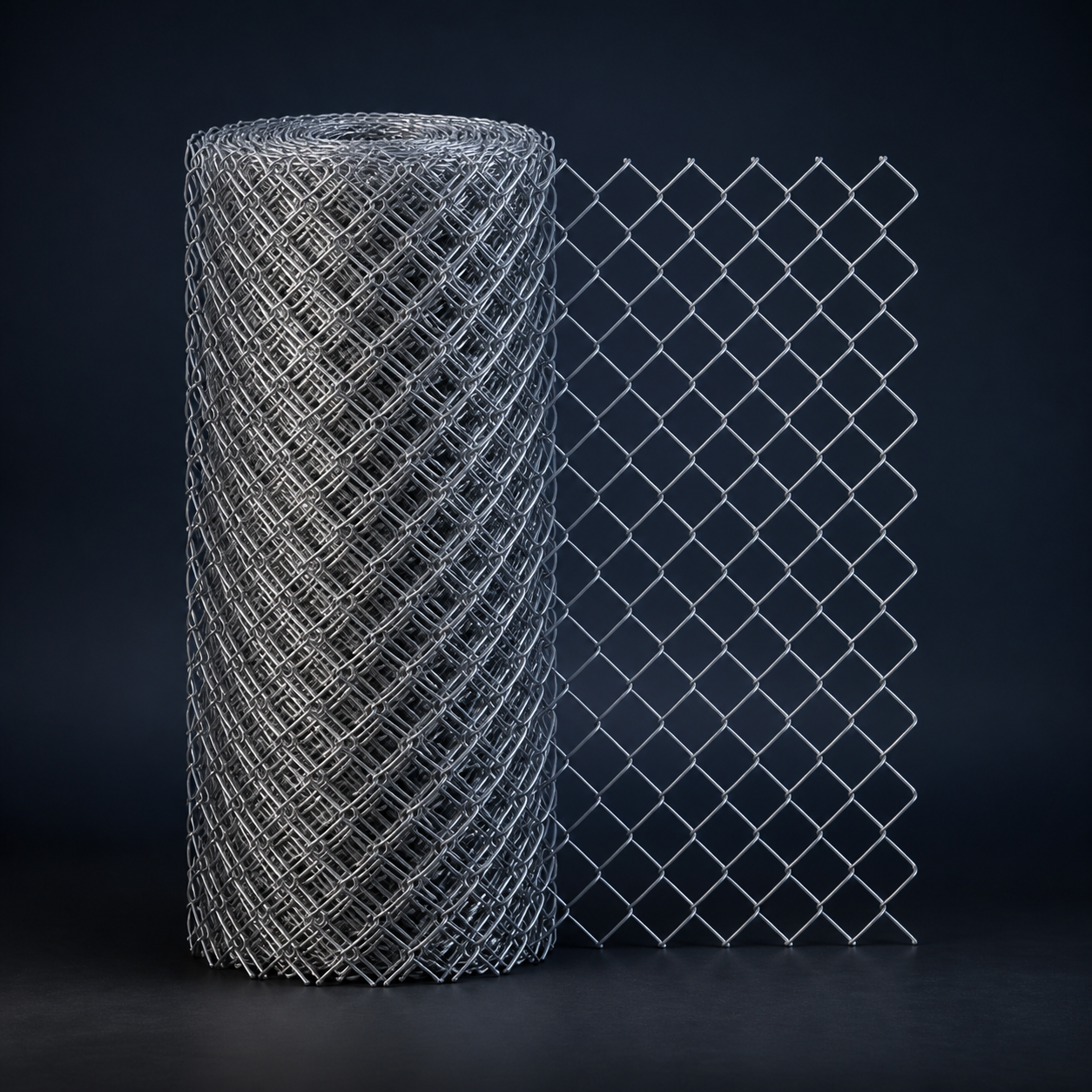
 P-Series
Boundary fencing
PanelGuard Welded Mesh
Rigid welded mesh panels for clean sightlines and controlled industrial boundaries.
Galvanized steelCoated steel
View product 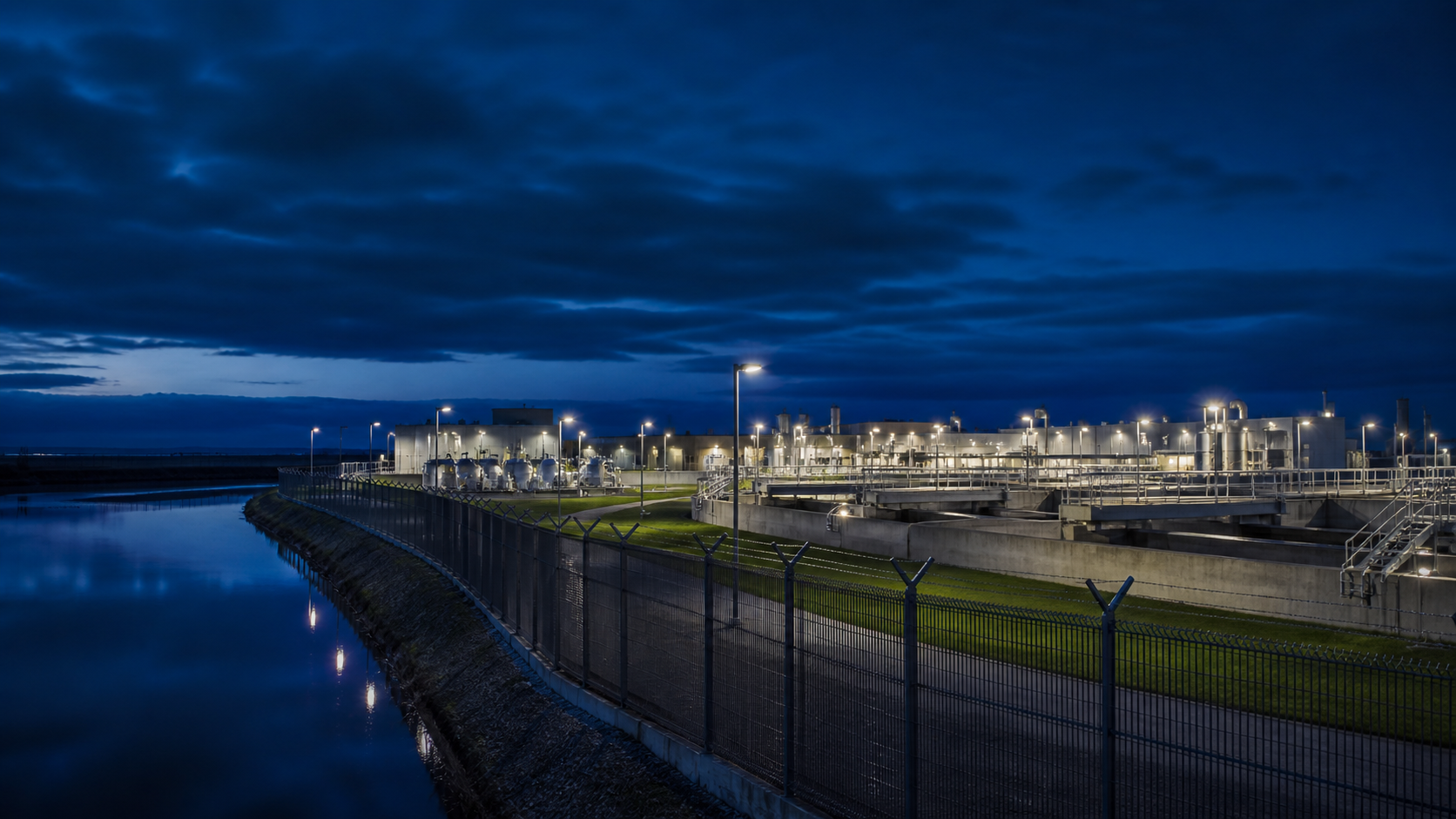
Continuity at the boundary
Layered perimeter thinking for assets where interruption, uncontrolled access, and unclear responsibility carry outsized consequences.
The perimeter must delay, define, and communicate—without creating new operating risks.
Operating context
Water, communications, public utilities, and other essential assets require more than a product-led boundary. The design must consider threat profile, visibility, controlled entry, maintenance access, civil interfaces, adjacent public space, and the operational response that follows an event.
What the system must resolve
These are design conversations, not universal claims. Project-specific risk and engineering review remain essential.
Protection measures must support uninterrupted operations and controlled maintenance access.
The outer boundary, topping, clear zones, gates, and monitoring interfaces must act as one strategy.
Technical submittals, quality records, and scope boundaries need to stand up to formal review.
Priority matrix
Priorities should be ranked and translated into measurable project requirements.
Defined security layering
Tamper-aware fixing strategy
Clear surveillance sightlines
Corrosion and drainage context
Controlled emergency access
Documented configuration
Inputs before specification
Capture these inputs early enough to influence civil work, access strategy, and system selection.
Relevant Corvex systems
These families commonly support the priorities above. Final selection depends on the approved project inputs and complete system design.
P-SeriesBoundary fencing
Rigid welded mesh panels for clean sightlines and controlled industrial boundaries.
 C-Series
High-security barriers
A configurable helical barrier system for layered, high-security perimeter applications.
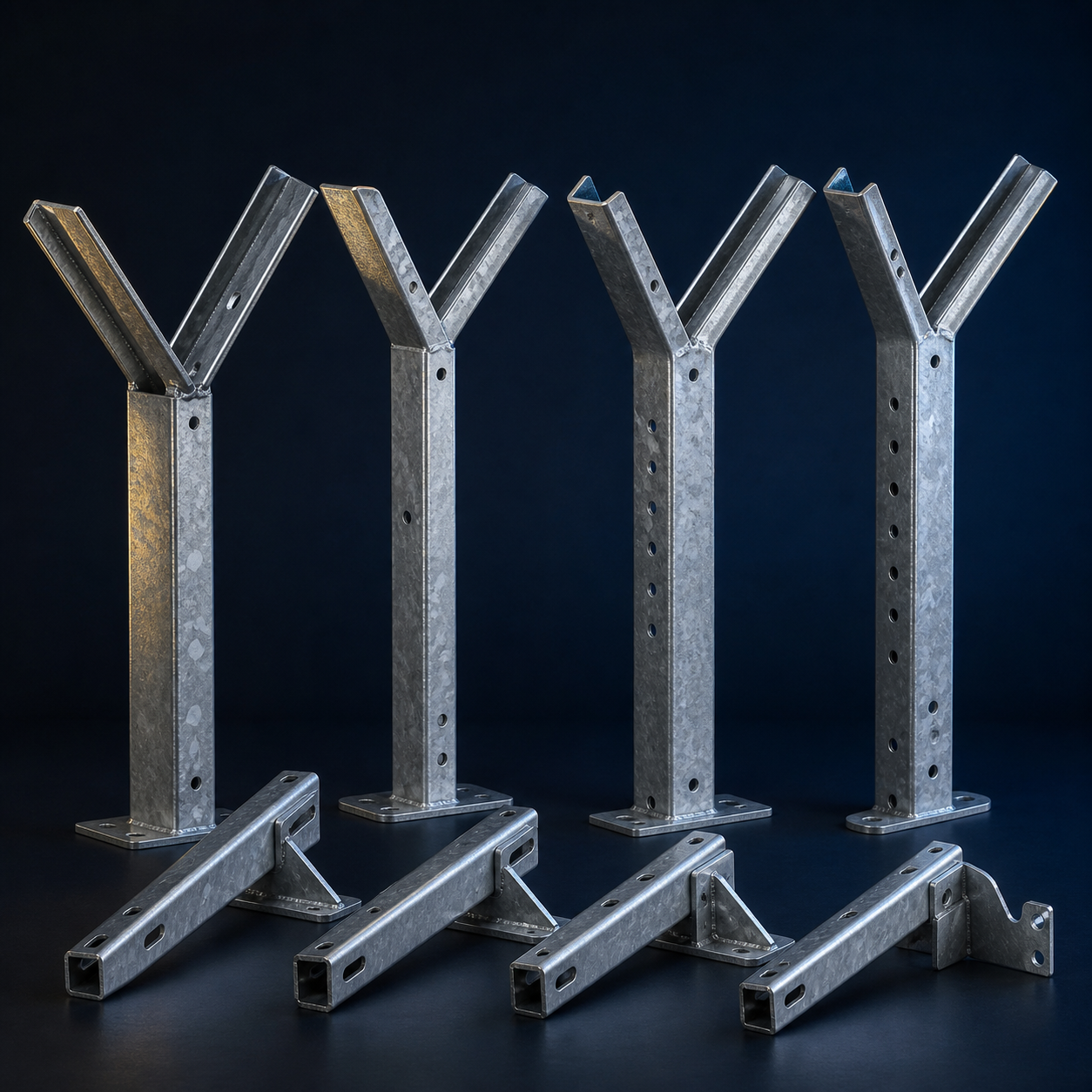 Y-Series
Structural components
Structural post and outrigger profiles designed to coordinate the perimeter assembly.
Project path
Map alignment, interfaces, movement, exposure, and constraints.
Define boundary layers, access, deterrence, visibility, and response.
Coordinate products, structures, gates, civil work, and installation.
Confirm configuration, evidence, identification, and dispatch sequence.
Plan the full perimeter
Share site plans, operating needs, risk priorities, governing standards, and project timing to start a useful technical review.
Adjacent environments
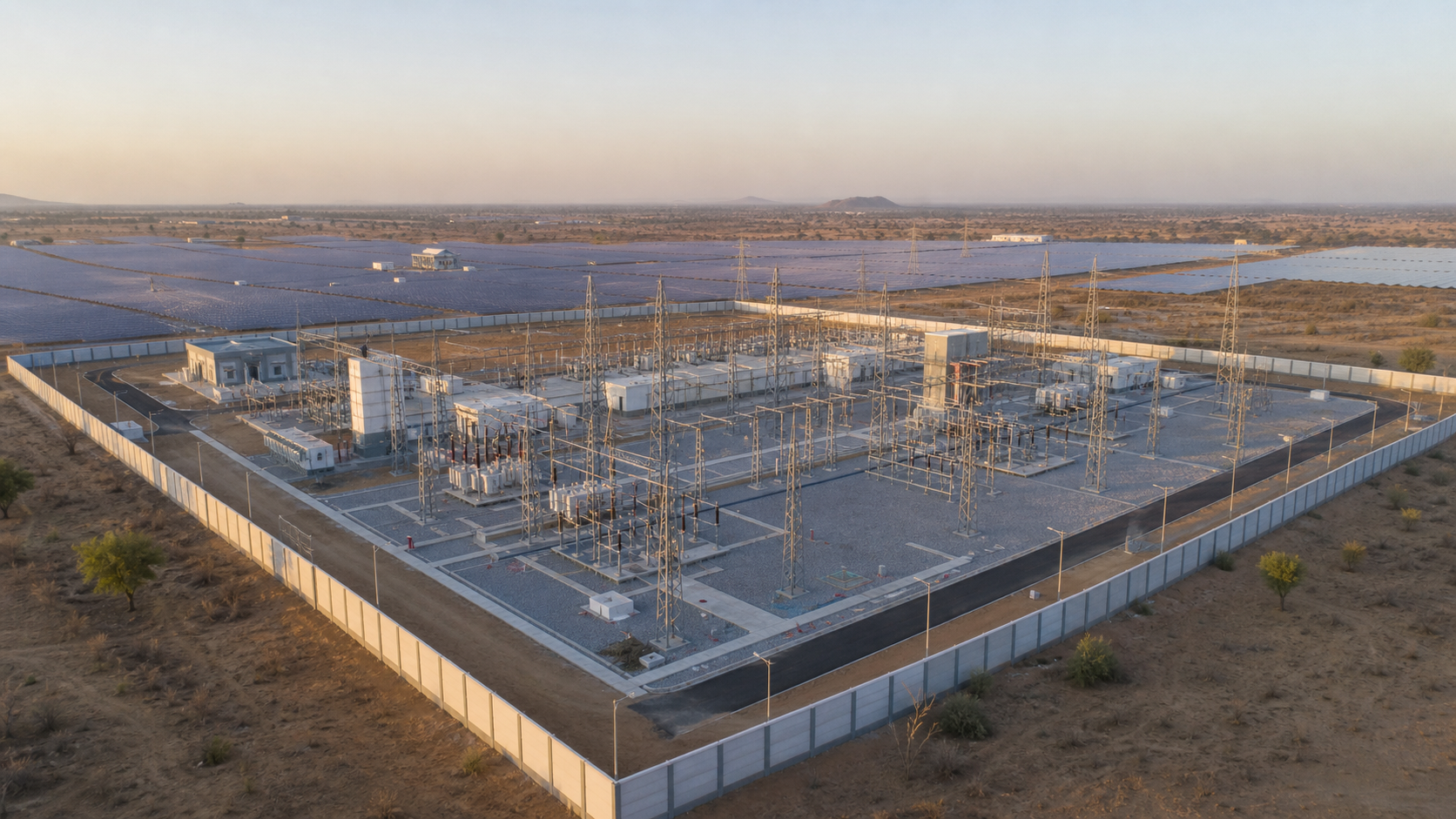
Protection across exposure
Perimeter systems configured for remote locations, electrical interfaces, difficult exposure, and long service expectations.
Security with civic context
Clear, reviewable systems balancing security posture, public interface, controlled access, and formal procurement needs.
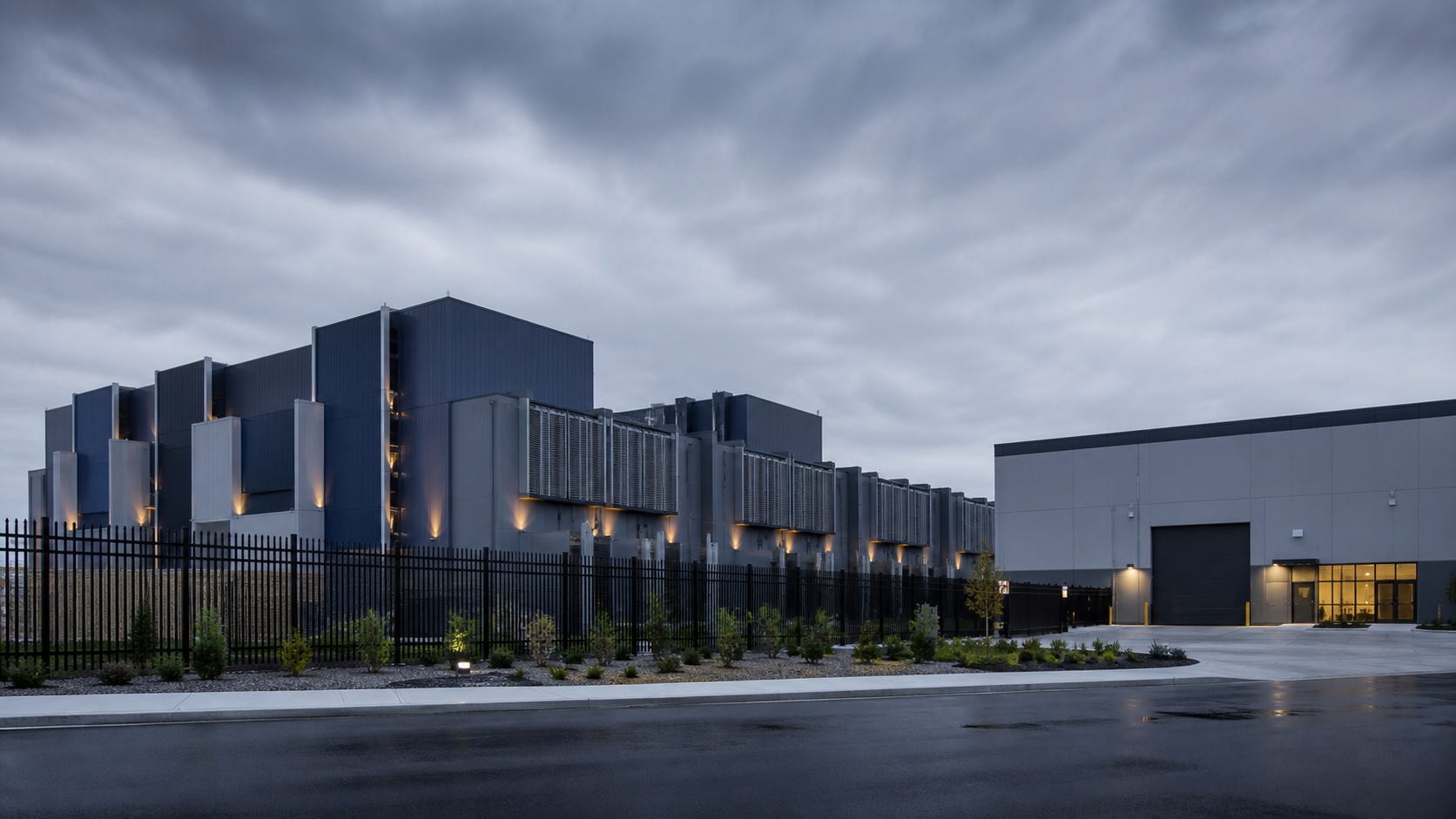
Physical confidence for digital continuity
Architecturally disciplined perimeter layers for high-availability campuses with controlled, auditable access.