
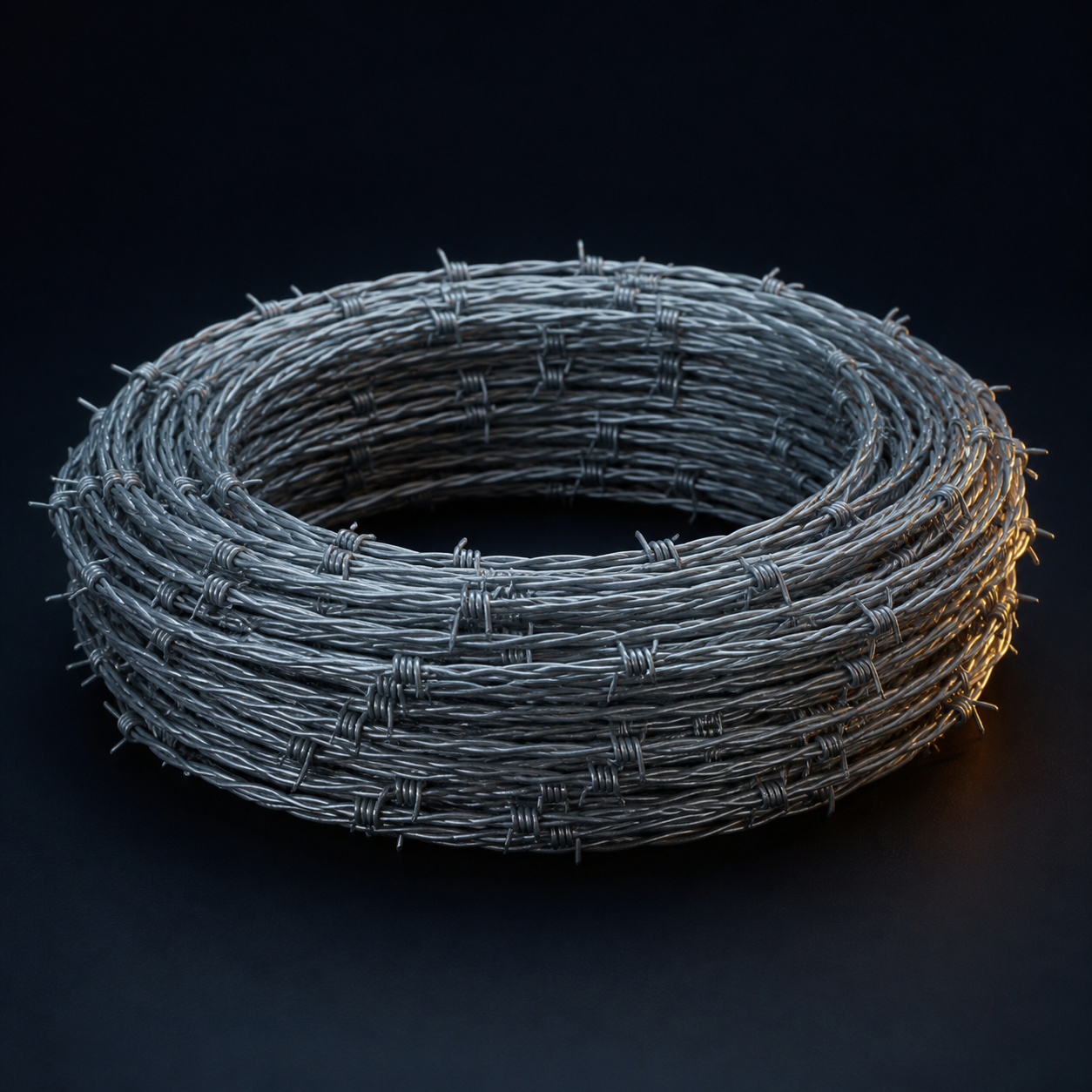
 B-Series
Boundary fencing
AnchorLine Barbed Wire
A controlled double-strand deterrent wire for boundary, topping, and land-protection use.
Galvanized steelCoated steel
View product 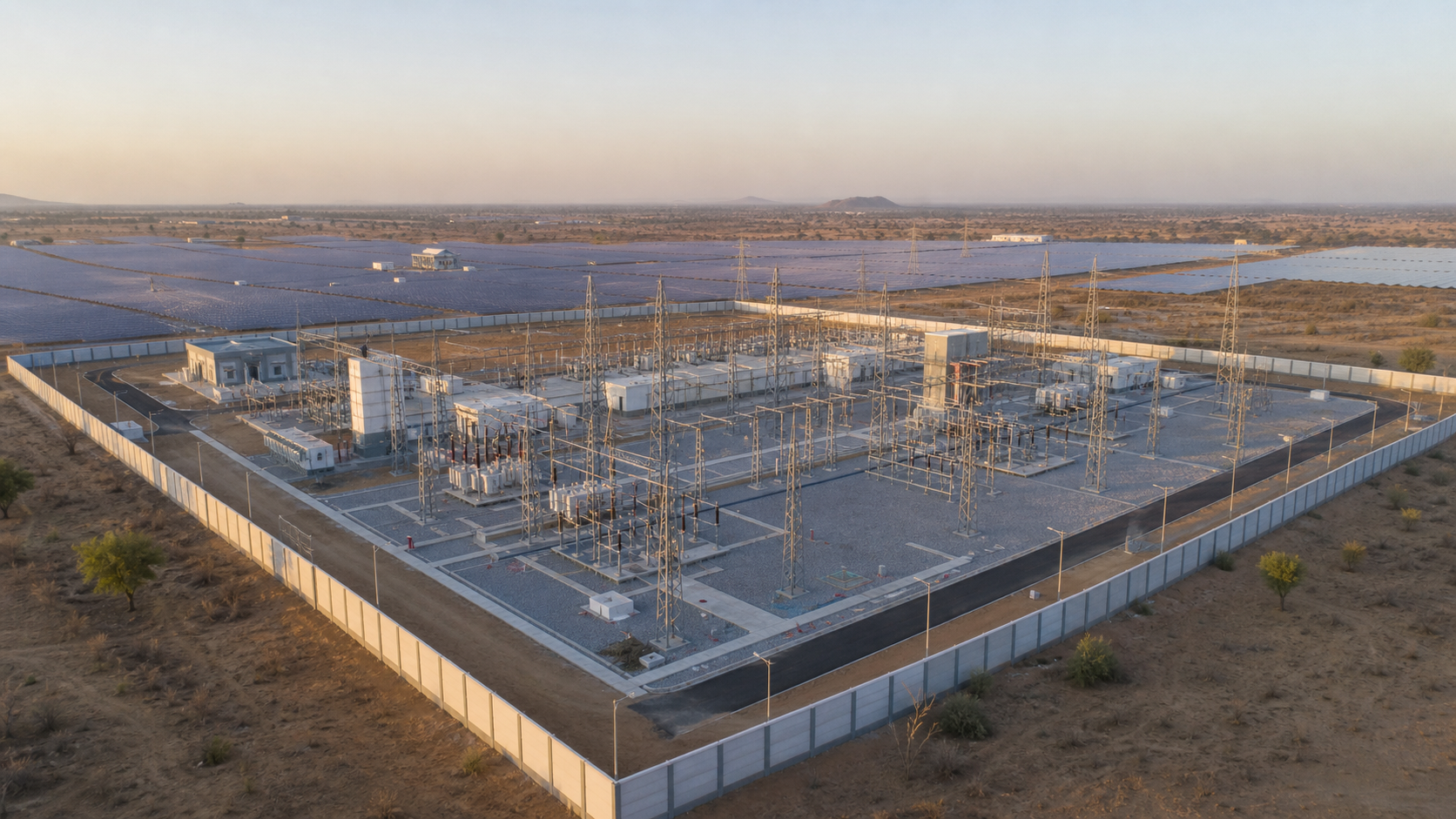
Protection over distance
Practical long-run boundaries configured around terrain, livestock, wildlife, crops, remote upkeep, and project economics.
A land boundary must work with the terrain, not just cross it.
Operating context
Agricultural and land-protection applications demand a different balance of visibility, cost, adaptability, access, animal safety, and maintenance. Terrain and vegetation usually matter as much as the chosen wire or mesh.
What the system must resolve
These are design conversations, not universal claims. Project-specific risk and engineering review remain essential.
Changes in level, soil, drainage, and vegetation influence support and tensioning.
Livestock and wildlife behavior affect visibility, aperture, deterrence, and safety.
Long remote boundaries need repairable details and practical component availability.
Priority matrix
Priorities should be ranked and translated into measurable project requirements.
Terrain-following alignment
Animal-appropriate configuration
Maintainable tensioning
Gate and farm access
Vegetation management
Cost across lifecycle
Inputs before specification
Capture these inputs early enough to influence civil work, access strategy, and system selection.
Relevant Corvex systems
These families commonly support the priorities above. Final selection depends on the approved project inputs and complete system design.
B-SeriesBoundary fencing
A controlled double-strand deterrent wire for boundary, topping, and land-protection use.
 M-Series
Boundary fencing
Flexible diamond mesh for long-run industrial boundaries and coordinated fencing systems.
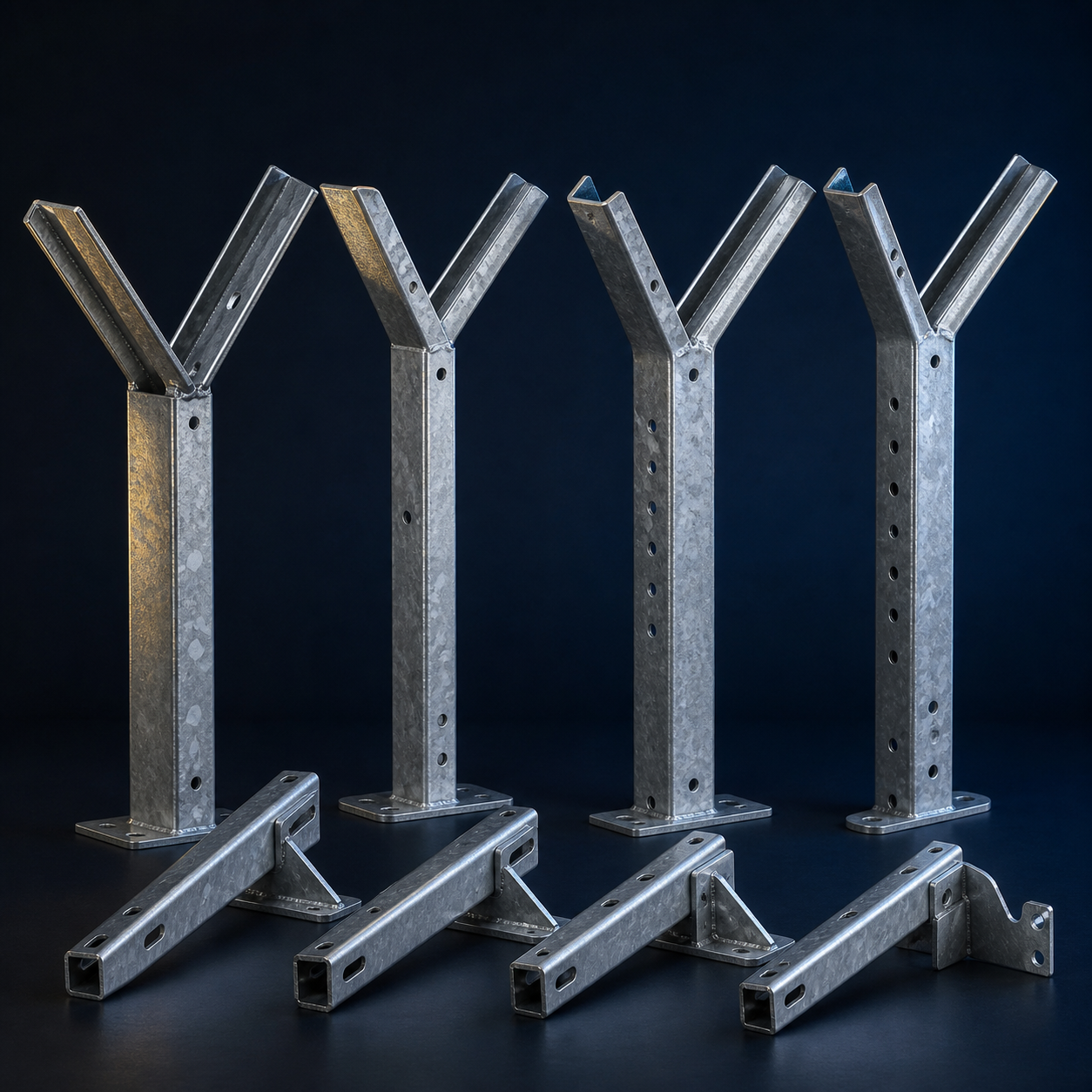 S-Series
Electrified deterrence
A project-configured pulsed deterrent layer for remote and monitored boundaries.
Project path
Map alignment, interfaces, movement, exposure, and constraints.
Define boundary layers, access, deterrence, visibility, and response.
Coordinate products, structures, gates, civil work, and installation.
Confirm configuration, evidence, identification, and dispatch sequence.
Plan the full perimeter
Share site plans, operating needs, risk priorities, governing standards, and project timing to start a useful technical review.
Adjacent environments
Protection across exposure
Perimeter systems configured for remote locations, electrical interfaces, difficult exposure, and long service expectations.
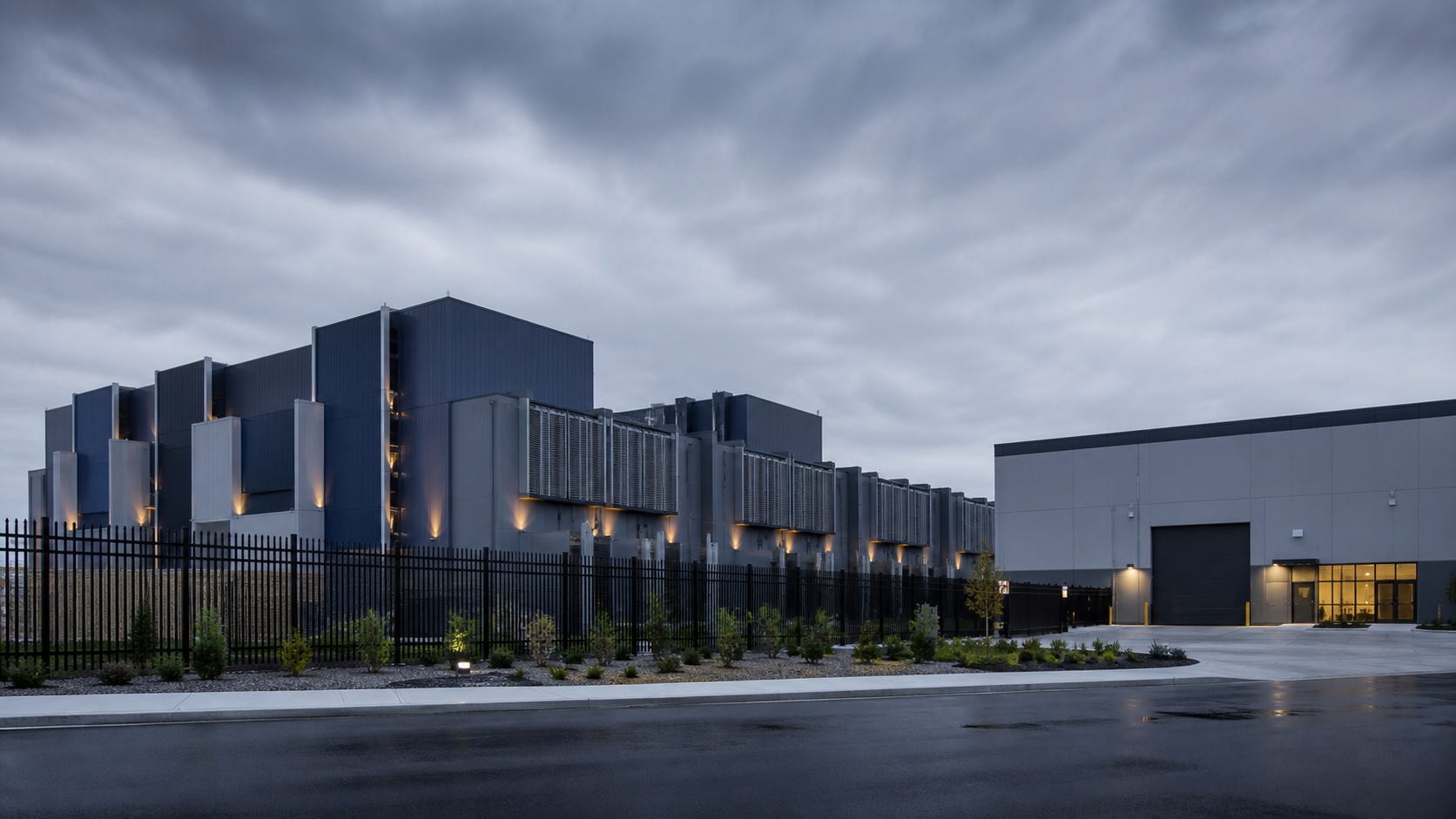
Protection with presence
Architecturally considered boundaries for active campuses, mixed-use sites, residential developments, and public-facing assets.
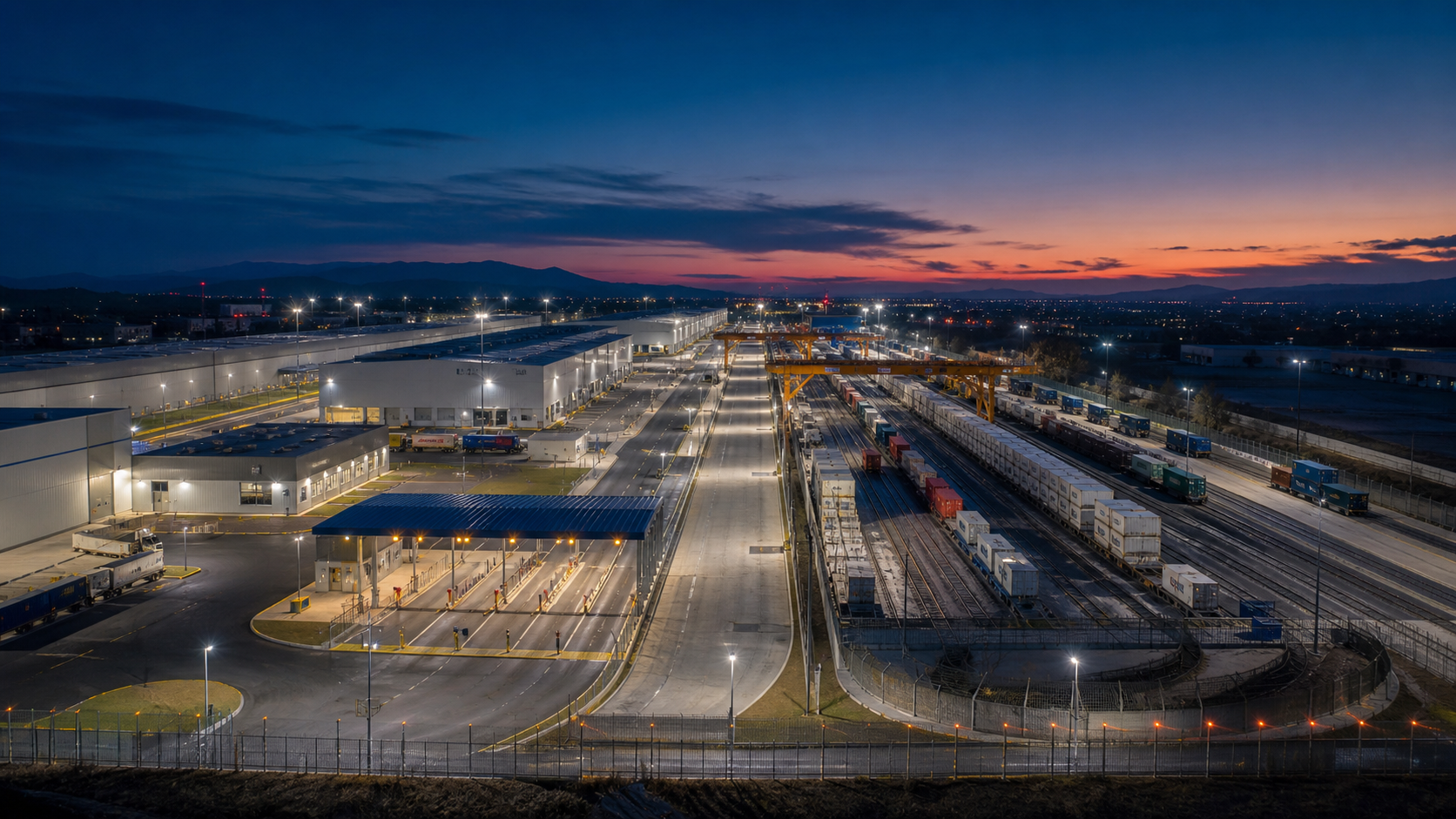
Boundaries in motion
Long-run systems shaped around moving assets, public interfaces, visibility, operational gates, and phased expansion.