
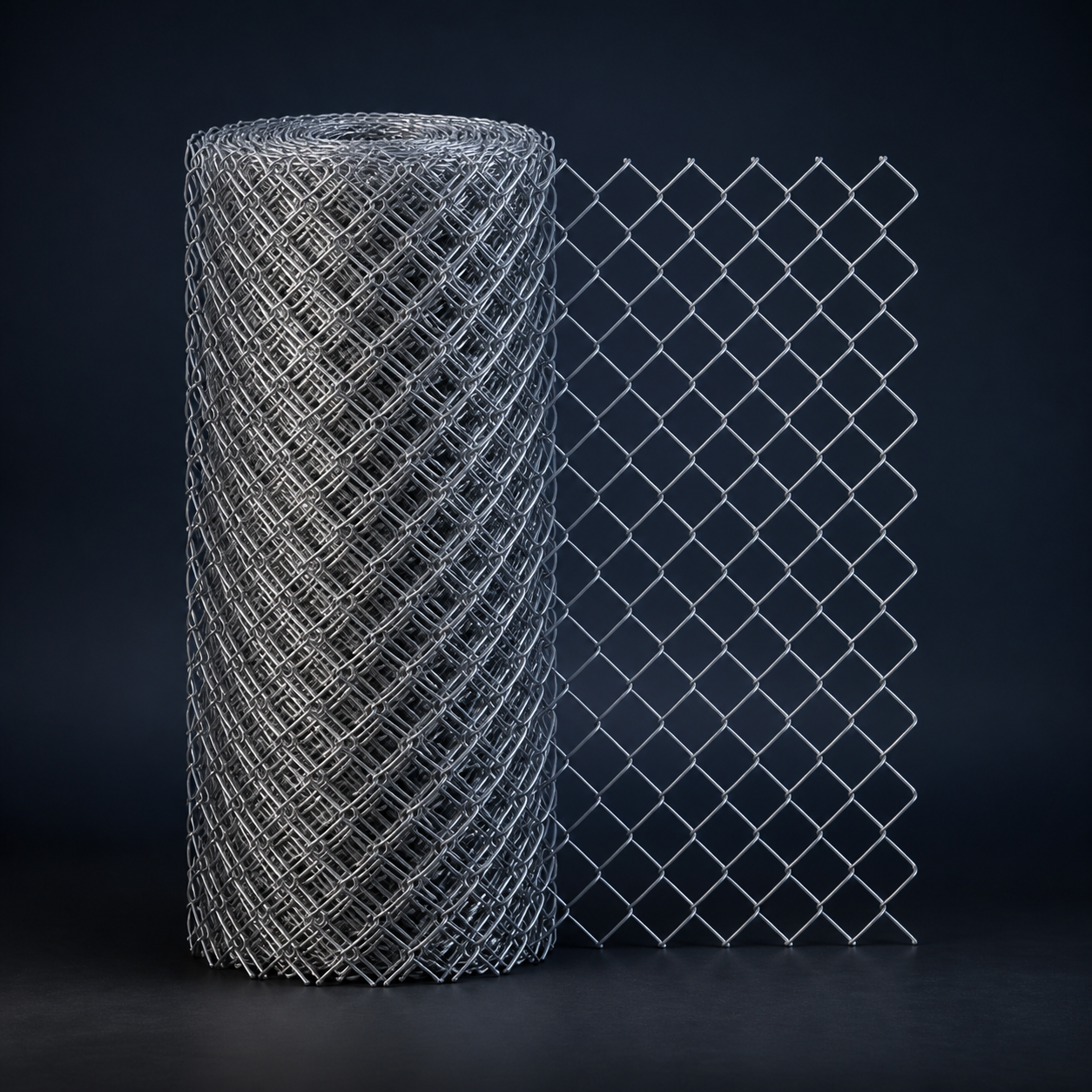
 M-Series
Boundary fencing
GridLock Chain-Link Mesh
Flexible diamond mesh for long-run industrial boundaries and coordinated fencing systems.
Galvanized steelCoated steel
View product 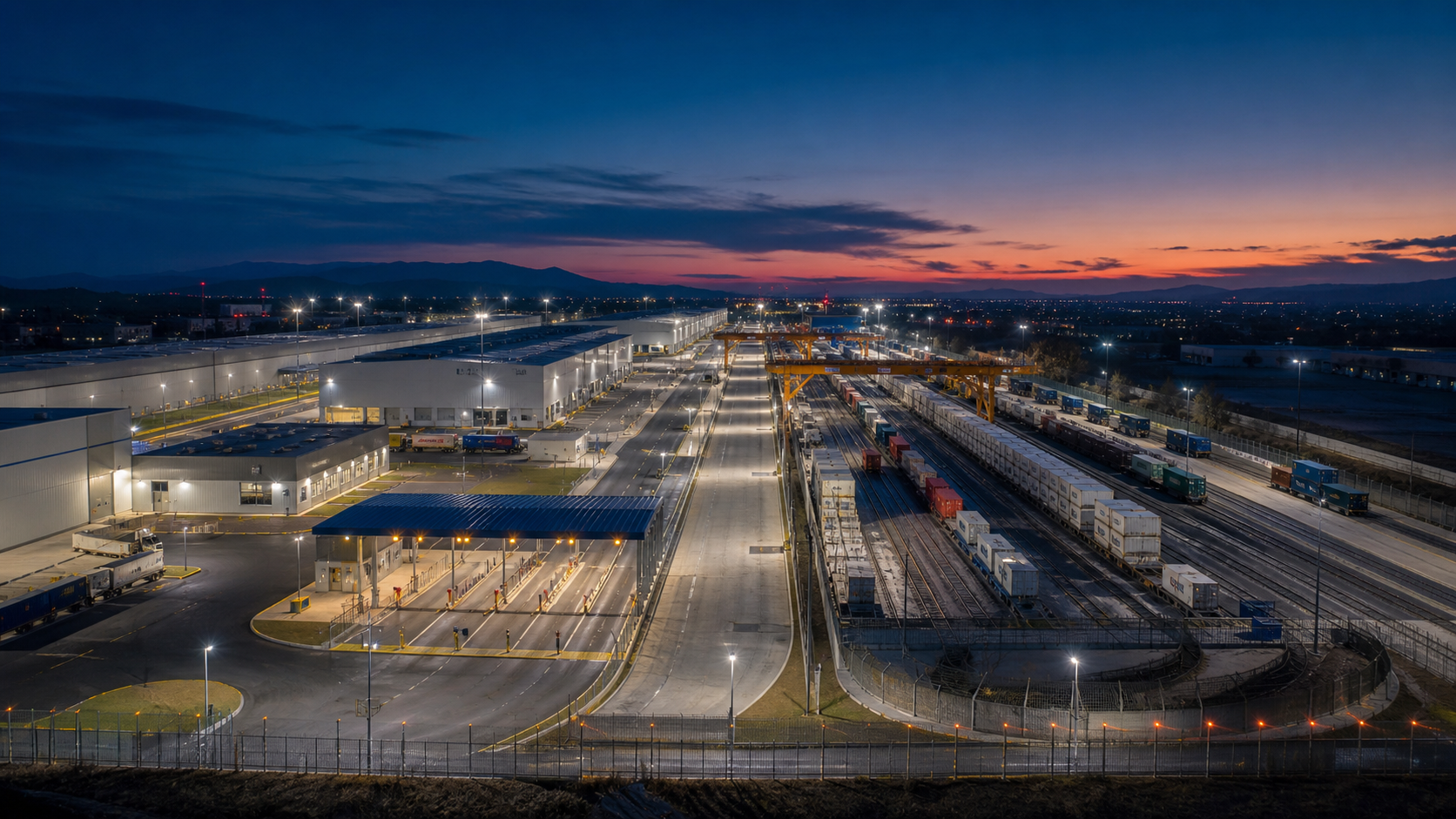
Boundaries in motion
Long-run systems shaped around moving assets, public interfaces, visibility, operational gates, and phased expansion.
A transport perimeter must protect movement without becoming an obstacle to it.
Operating context
Rail, logistics, aviation support, depots, and distribution environments combine long boundaries with high-frequency access and changing operating zones. System design must distinguish secure lines from operational interfaces and allow maintenance without disrupting flow.
What the system must resolve
These are design conversations, not universal claims. Project-specific risk and engineering review remain essential.
Repeated details must remain practical across terrain changes, crossings, and large distances.
Gates and interfaces experience more use, more handoffs, and more operational pressure.
The perimeter may need to expand, relocate, or interface with temporary works.
Priority matrix
Priorities should be ranked and translated into measurable project requirements.
Clear sightlines
Repeatable long-run details
Robust gate interfaces
Anti-climb strategy
Phased construction planning
Rapid repair approach
Inputs before specification
Capture these inputs early enough to influence civil work, access strategy, and system selection.
Relevant Corvex systems
These families commonly support the priorities above. Final selection depends on the approved project inputs and complete system design.
M-SeriesBoundary fencing
Flexible diamond mesh for long-run industrial boundaries and coordinated fencing systems.
P-SeriesBoundary fencing
Rigid welded mesh panels for clean sightlines and controlled industrial boundaries.
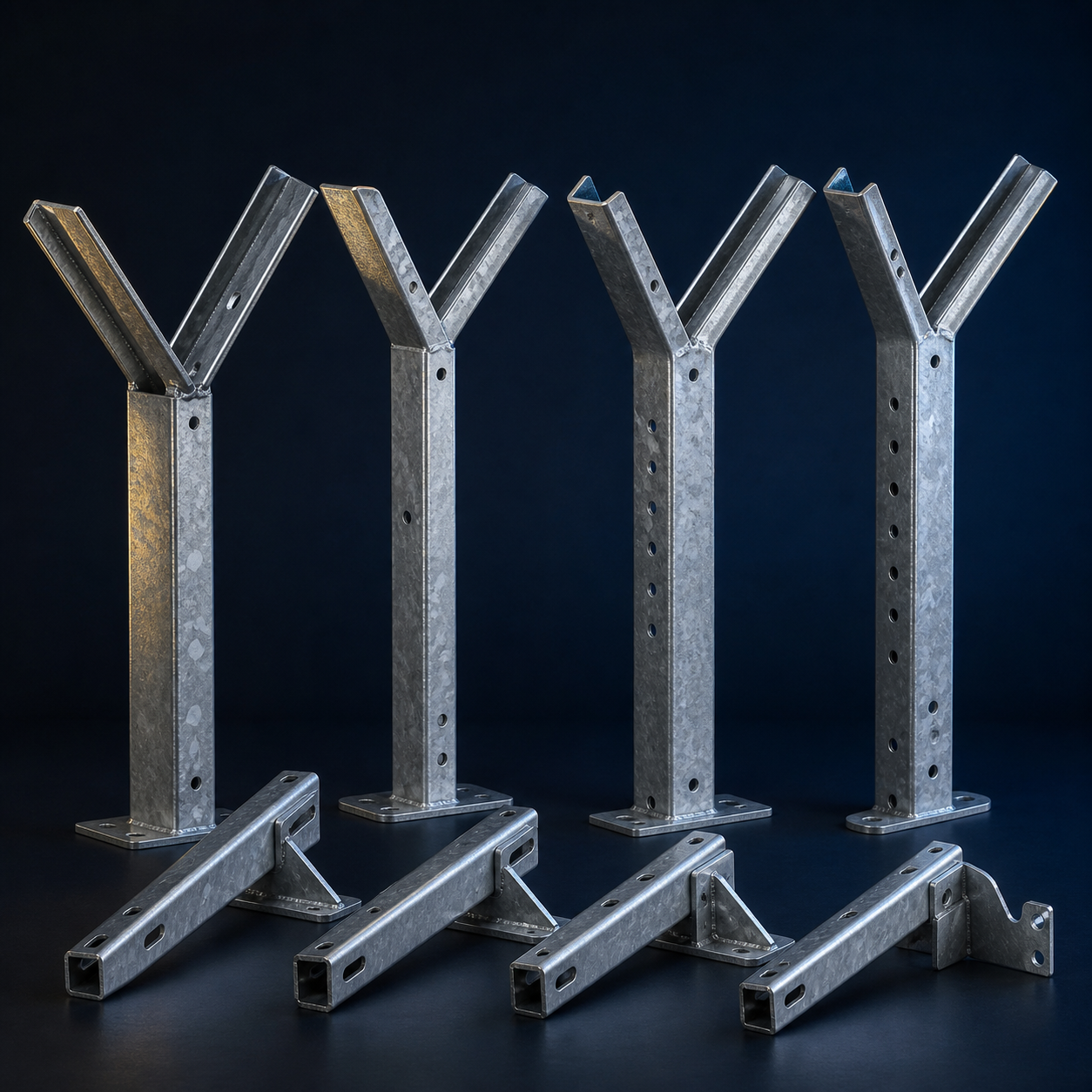 Y-Series
Structural components
Structural post and outrigger profiles designed to coordinate the perimeter assembly.
Project path
Map alignment, interfaces, movement, exposure, and constraints.
Define boundary layers, access, deterrence, visibility, and response.
Coordinate products, structures, gates, civil work, and installation.
Confirm configuration, evidence, identification, and dispatch sequence.
Plan the full perimeter
Share site plans, operating needs, risk priorities, governing standards, and project timing to start a useful technical review.
Adjacent environments
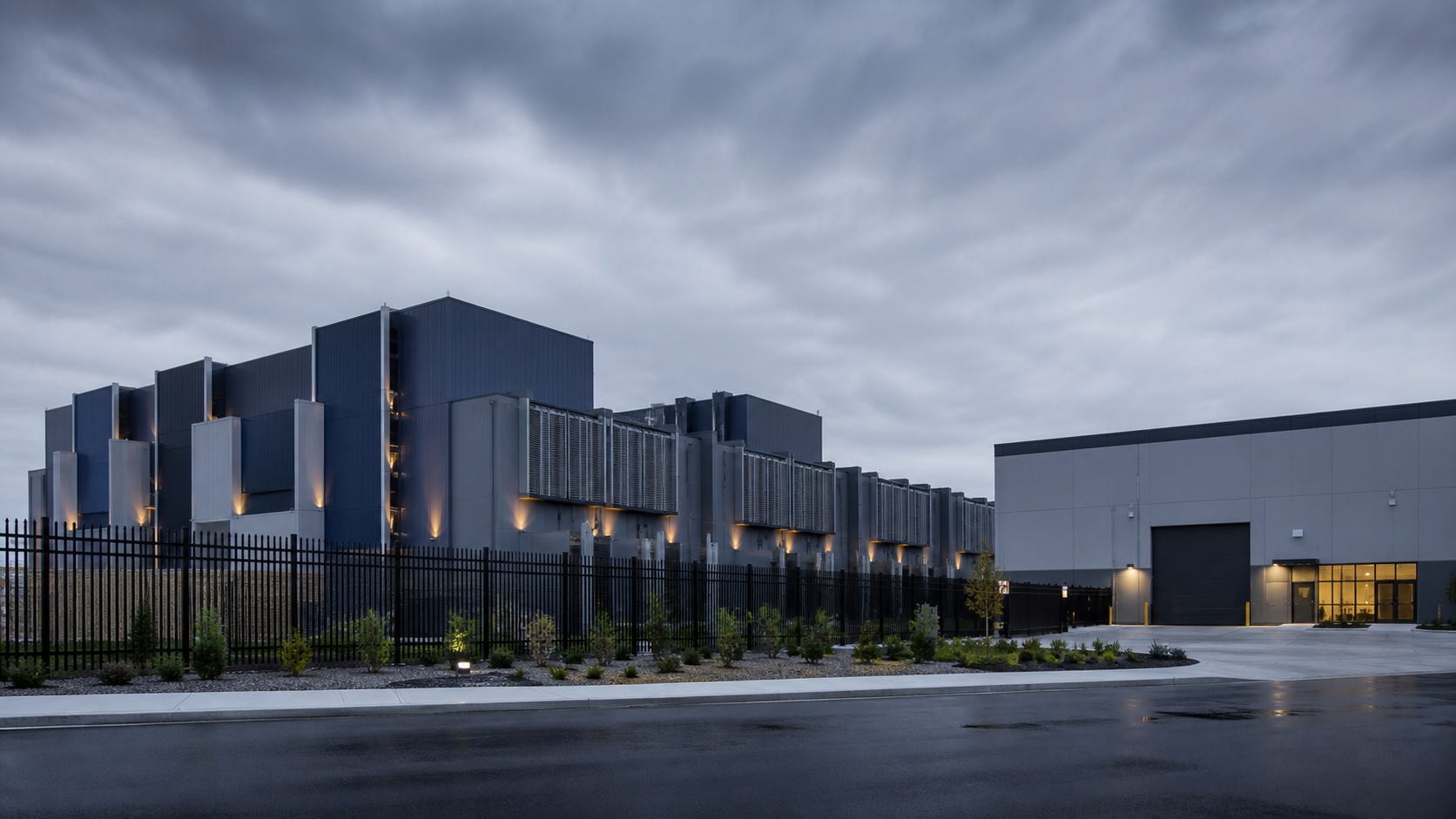
Secure productive space
Durable, visible boundaries that support workforce access, logistics movement, safety zoning, and changing site layouts.
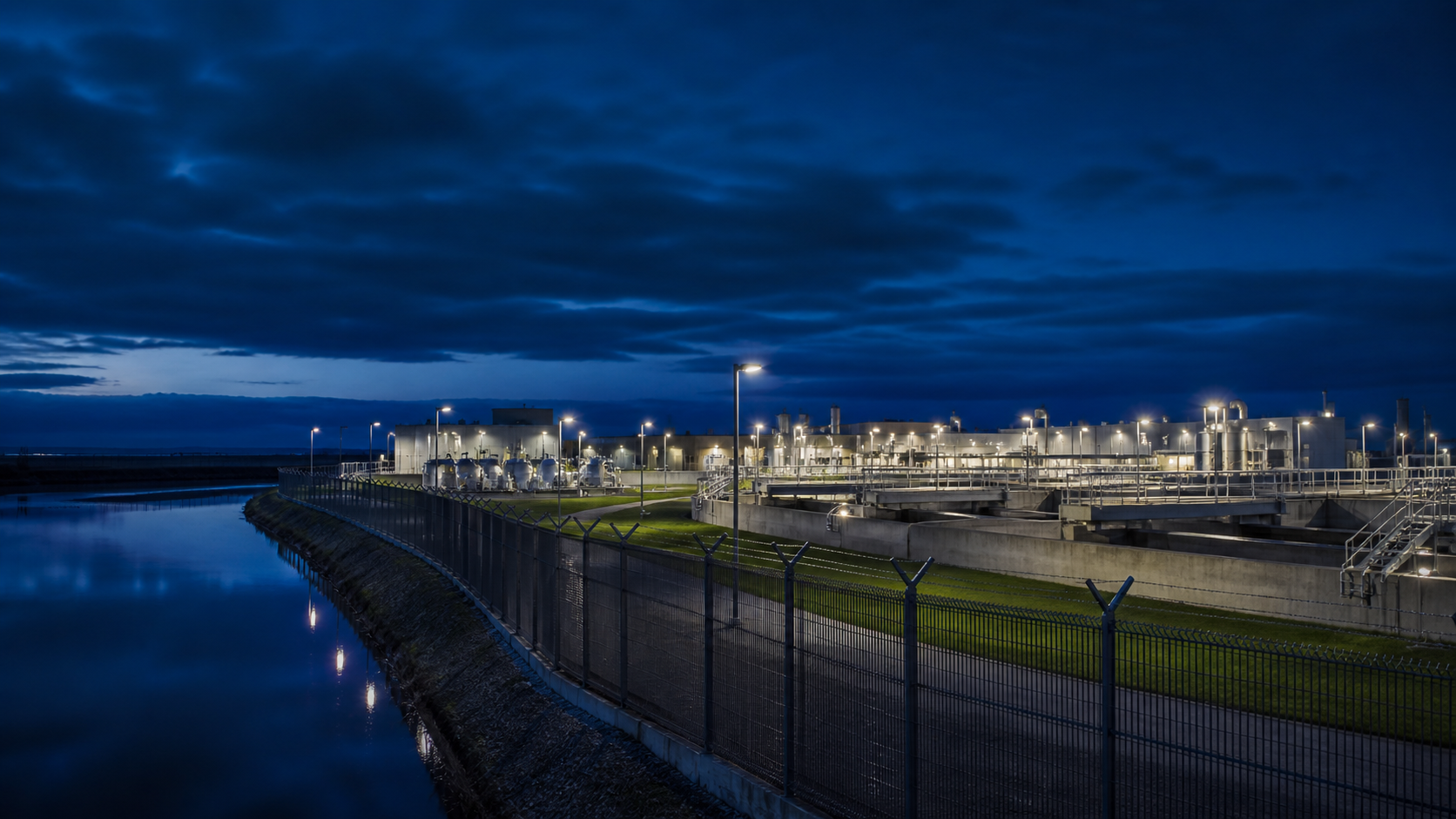
Continuity at the boundary
Layered perimeter thinking for assets where interruption, uncontrolled access, and unclear responsibility carry outsized consequences.
Protection with presence
Architecturally considered boundaries for active campuses, mixed-use sites, residential developments, and public-facing assets.